


הערת העורך: היה מעניין לבחון את תוצאות המחקר עם קבוצה נוספת של ילדים שלא נימולו אשר סובלים מרפלוקס ועברו תיקון רפלוקס בלבד, ללא ברית מילה ואז לבחון את ההשערה כי בקבוצת הילדים שאינם נימולים קיים סיכון גבוה יותר לחלות בזיהומים בדרכי השתן. Effect of Circumcision on Urinary Tract Infection After Successful Antireflux Surgery The Journal of Urology: Volume 173(4) April 2005 p 1192 Berger, Richard E. M.D. C. Kwak, S. J. Oh, A. Lee and H. Choi, Department of Urology, Seoul National University College of Medicine and Clinical Research Institute, Seoul National University Hospital, Seoul, Korea BJU Int, 94: 627-629, 2004 OBJECTIVE: To evaluate whether circumcision during antireflux surgery can reduce the incidence of urinary tract infection (UTI) after successful ureteric reimplantation in patients with primary vesico-ureteric reflux (VUR). PATIENTS AND METHODS: Children who had undergone antireflux surgery for primary VUR were divided into group 1 (27, circumcised at the time of antireflux surgery at the parents’ request) and group 2 (50, those not circumcised). All antireflux operations were by the Cohen method. Regular urine samples were cultured to detect UTI, which was defined as a single species with >10(5) colony-forming units/mL in a midstream voided specimen. Numbers of UTI episodes before and after surgery were compared between the groups, with (99m)Tc-dimercaptosuccinic acid (DMSA) renal scans also taken in all patients. Each scan was blindly reviewed in terms of the size, number and zonal location of cortical defects, based on morphology. Interval changes were categorised as improved, no change, progressed, and new scar formation, and compared between the groups. Prophylactic antibiotics were maintained until the follow-up studies at 4-6 months after surgery. RESULTS: There was no significant difference between the groups in age at the time of operation (mean 42.4 vs 47.4 months), the age at the first documented UTI (mean 26.5 vs 29.3 months), reflux grade, or number of UTI episodes and renal parenchymal scarring on DMSA before surgery. There was no significant difference between the groups in the number of UTI episodes at a mean (range) follow-up of 151.3 (114-207) months after antireflux surgery. Also there was no significant morphological change on follow-up renal scans and no difference between the groups. CONCLUSION: These findings suggest that circumcision during antireflux surgery has no effect on the incidence of postoperative UTI. Editorial Comment: This study gives some insight into whether circumcision can prevent future infections in boys (average age 3 to 4 years) with past UTI and ureteral reflux requiring repair. Circumcision did not alter the rate of UTI when done simultaneously with ureteral reimplant during 1 year of followup, and, therefore, this procedure remains elective. Copyright © 2005 by American Urological Association, Inc.
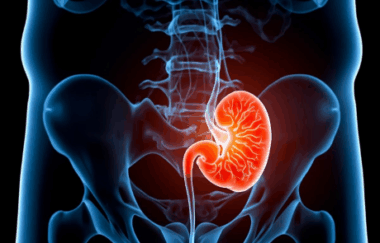
ניסוי שלב 2 של גמציטבין תוך־שלפוחיתי ודוסטקסל בטיפול ב־Bacillus Calmette-Guérin – קרצינומה אורותליאלית לא פולשנית לשרירים של שלפוחית השתן שלא טופלה בעבר
מקור: pubmed

אין תגובות05/10/2026
חולי שאת שלפוחית השתן Transitional cell carcinoma (TCC) בשלב של HG לא חודר שריר Nonmuscle-Invasive Urothelial Carcinoma (HG MIBC), נמצאים בסיכון גבוה להישנות ולהתקדמות עם חדירה לשריר




תגובות רוצה להצטרף לדיון?
יש להתחבר כדי להגיב.
התחבראין תגובות עדיין. היה הראשון להגיב!