


גישה לינגואלית (בנוסף לבוקלית) בעקירת שיני בינה כלואות מפשטת ומזרזת את העקירה .
ביחוד כשיש צורך בהורדת עצם וביחוד עצם דיסטלית . אם נזהרים שלא לפגוע בעצב הלינגואלי
נראת כשיטה טובה מאד . לא מומלץ לרופאים מתחילים .
לפניכם פרטי המאמר והאבסטרקט:
Purpose Lingual nerve damage following lower third molar surgery remains a clinical problem. The traditional approach in the United States has been a buccal approach avoiding exposure or surgery on the lingual side of the crest of the ridge. An alternative technique is to deliberately expose the lingual tissues and retract the lingual nerve lingually before tooth removal. This study reports a trial of this technique.
Materials and methods Patients had removal of their lower third molars carried out using a technique that raises a lingual flap in addition to a buccal flap and places a specially designed lingual retractor to ensure that the lingual nerve is held out of the surgical field. This technique was used in cases where the crown of the tooth had to be sectioned or when distal bone needed to be removed.
Results Two hundred fifty patients were treated by this method. There were 4 cases of transient lingual paresthesia, presumably caused by traction pressure from the retractor. Three of these cases were mild and resolved within 3 weeks. The fourth case had more profound paresthesia, but still resolved within 2 months. There were no cases of permanent nerve damage, and in many cases removal of the third molar was simplified by the superior access.
Conclusion Lingual retraction for third molar removal improves access to the surgical site and can simplify third molar removal. In this prospective study there were no cases of permanent lingual nerve injury.<!–
 –><!–
–><!–
–>
Materials and methods Patients had removal of their lower third molars carried out using a technique that raises a lingual flap in addition to a buccal flap and places a specially designed lingual retractor to ensure that the lingual nerve is held out of the surgical field. This technique was used in cases where the crown of the tooth had to be sectioned or when distal bone needed to be removed.
Results Two hundred fifty patients were treated by this method. There were 4 cases of transient lingual paresthesia, presumably caused by traction pressure from the retractor. Three of these cases were mild and resolved within 3 weeks. The fourth case had more profound paresthesia, but still resolved within 2 months. There were no cases of permanent nerve damage, and in many cases removal of the third molar was simplified by the superior access.
Conclusion Lingual retraction for third molar removal improves access to the surgical site and can simplify third molar removal. In this prospective study there were no cases of permanent lingual nerve injury.<!–
–><!––>

סקירת ספרות, אפריל 2026 | מאת פרופ’ נפתלי שטרן (החברה ליל”ד)

אין תגובות19/04/2026
לפניכם סקירת העיתונות מאת פרופ’ שטרן.

5 צעדים למניעת טראומה שקטה בקרב קשישים וחולים כרוניים; מאמר אורח מאת ד”ר שחר בר

אין תגובות02/03/2026
בשנתיים האחרונות מתפתחת בישראל תופעה שקטה של טראומה אזרחית מתמשכת

המיקרוביום החברתי בגיל המבוגר
מקור: pubmed

אין תגובות26/02/2026
בידוד חברתי שכיח בגיל המבוגר ונקשר באופן עקבי לשבריריות, לירידה תפקודית, לפגיעה קוגניטיבית ולתמותה מוגברת

טראומה עינית; גורם עולמי נזנח לעיוורון ולנכות הניתנים למניעה
מקור: Am J Ophthalmol

אין תגובות18/02/2026
טראומה עינית היא גורם משמעותי לעיוורון חד־עיני ולנכות ארוכת־טווח ברחבי העולם, במיוחד במדינות בעלות הכנסה נמוכה ובינונית. אפילו שמרבית הפגיעות העיניות ניתנות למניעה, הנטל האישי, החברתי והכלכלי הנלווה אליהן נותר גבוה ומוזנח ביחס למחלות עיניים אחרות

שימור פוריות בנשים צעירות עם סרקומה: נתונים מהשטח
מקור: International Journal of Cancer

אין תגובות04/02/2026
שיעור גבוה של התאוששות שחלתית והריונות ספונטניים לאחר טיפול גונדוטוקסי
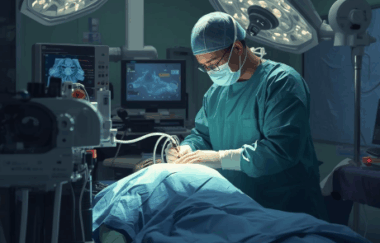
הרדמה כללית לעומת סדציה במהלך טיפול אנדו־וסקולרי בשבץ מוחי איסכמי חריף – ניסוי קליני אקראי SEGA
מקור: JAMA Neurology

אין תגובות02/02/2026
המחקר SEGA נועד לבדוק, באופן אקראי ומבוקר, האם הרדמה כללית או סדציה מביאות לתוצאות נוירולוגיות טובות יותר לאחר שלושה חודשים מהטיפול.

תגובות רוצה להצטרף לדיון?
יש להתחבר כדי להגיב.
התחבראין תגובות עדיין. היה הראשון להגיב!