


BOSTON — A protein known for its role in helping to provide the body’s immune system with a line of defense against infection has unexpectedly been discovered in cancer cells that were removed from aggressive carcinomas of the breast and colon.
This discovery, reported in the June 24 on-line issue of Nature Cell Biology, could provide scientists with a promising new target for the development of a drug to halt tumor invasion
and metastasis, the spread of cancer from its primary site to other areas of the body.
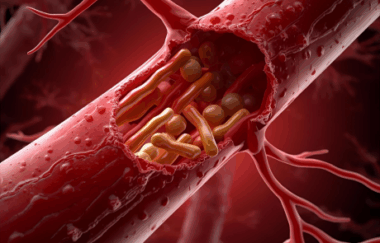
Metastasis occurs when cancer cells penetrate the boundaries of the tumor’s tissue and infiltrate the walls of blood vessels or lymph vessels, gaining a means of transport to other parts of the body — far from the original tumor site — where they can then grow anew.
This process is unique to cancer cells and is what makes the disease so dangerous — and so feared. “A primary [cancerous] tumor can be removed,” explains the study’s senior author Alex Toker, Ph.D., of the department of pathology at Beth Israel Deaconess Medical Center (BIDMC) and assistant professor at Harvard Medical School. “But once the cancer has metastasized, it becomes intractable.” In fact, the goal of early cancer detection is to remove the primary carcinoma before it has a chance to spread.




תגובות רוצה להצטרף לדיון?
יש להתחבר כדי להגיב.
התחבראין תגובות עדיין. היה הראשון להגיב!